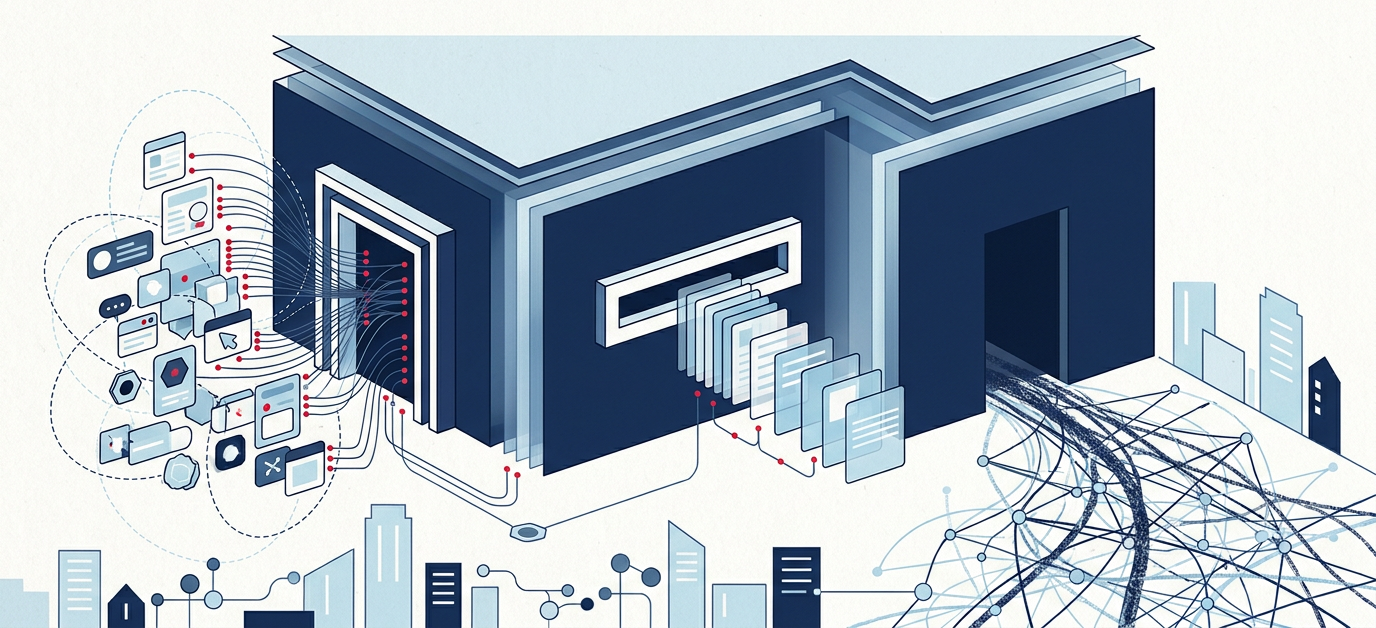
Flat vector illustration in navy, ice blue and white with red accent dots: the wall of a building rendered as layered isometric slabs, holding three different entrances. On the left a framed portal, fed by a dense field of small UI cards along fine lines with red nodes. In the middle a horizontal slot with a stack of thin translucent document cards sliding through. On the right a frameless dark opening approached from below by a tangled, densely knotted mesh of lines. Pale building silhouettes and a node network along the lower edge.

Three Doors for Agents

·17 mins
Automated requests now make up the majority of HTML traffic, and a growing share of them happens while a person is waiting for an answer. The piece distinguishes three routes such agents can take — a tool interface via MCP, a machine-readable output format, and the user interface itself — checks which of them the mundo.schule portal actually offers, discusses when a conventional API remains the better choice than an MCP server, and closes with a checklist to run yourself.
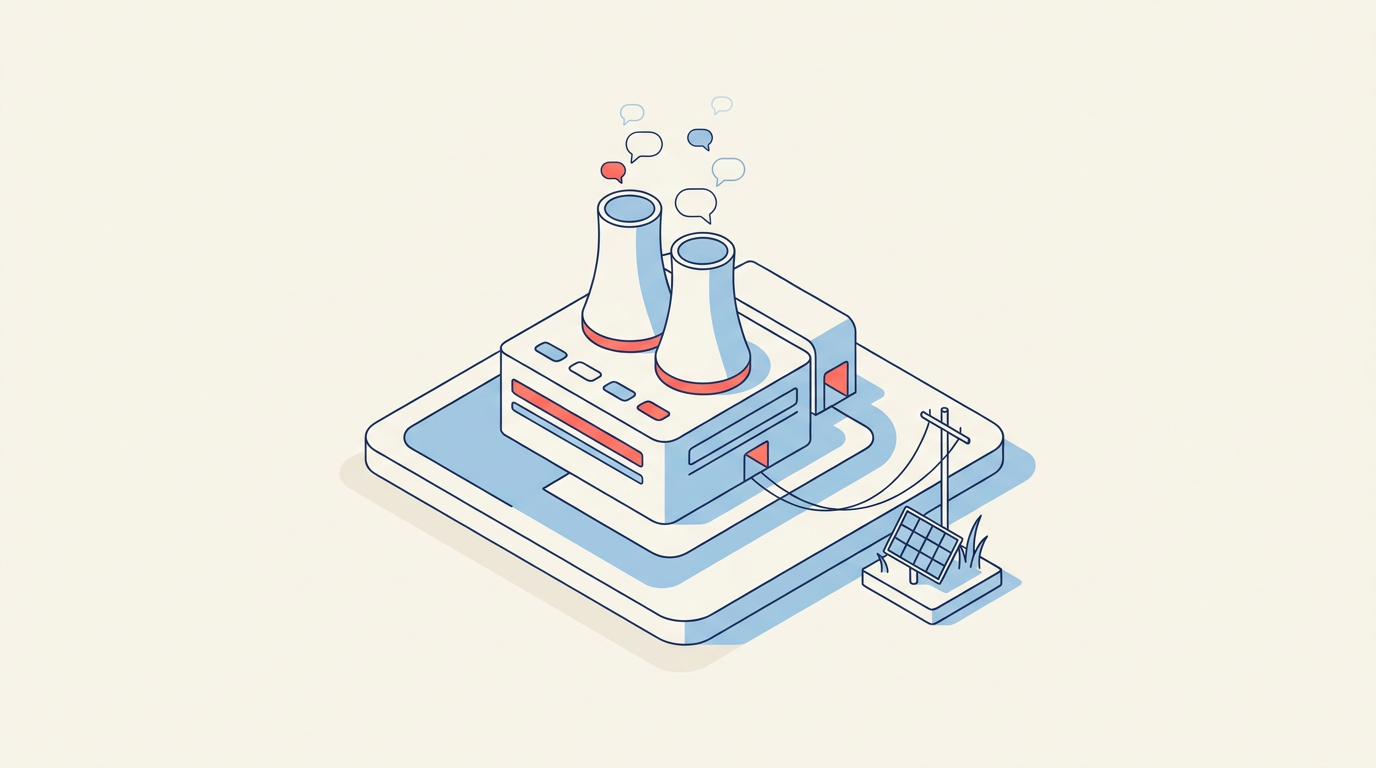
Abstract editorial illustration of a data center whose cooling towers exhale chat speech bubbles instead of steam; in the foreground a power line connects the data center to a small solar installation.

What a Prompt Really Costs

·10 mins
Every AI request consumes electricity, water, and compute time — how much depends heavily on model, provider, and usage. An overview of what the research shows, why agentic workflows are especially token-hungry, concrete ways to save tokens, why models and providers differ, and when local models running on your own renewable power are the better choice.
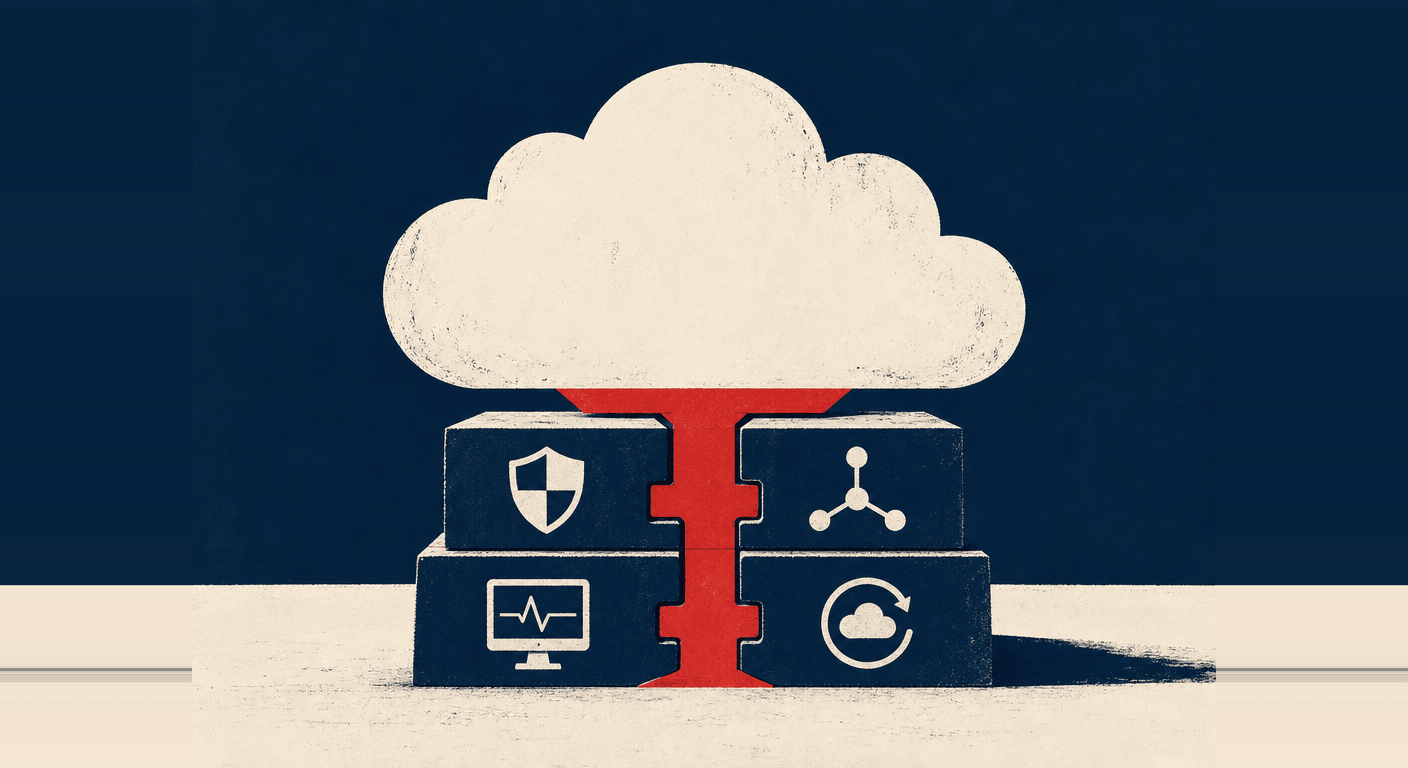
A cloud, connected via a red trunk to four blocks: security (a shield with a checkmark), connectivity (a node graph), monitoring (a pulse line), and recovery (a circular arrow with a cloud).

Cloud Doesn't Make Operations Easier – It Makes It Shareable

·11 mins
Cloud changes who runs operations – not whether operations is needed at all. A piece on provider responsibility, BSI Grundschutz and C5, fast security rollouts in the AI age, the PCI project, and why good cloud must never cost more than an equivalent on-prem solution.
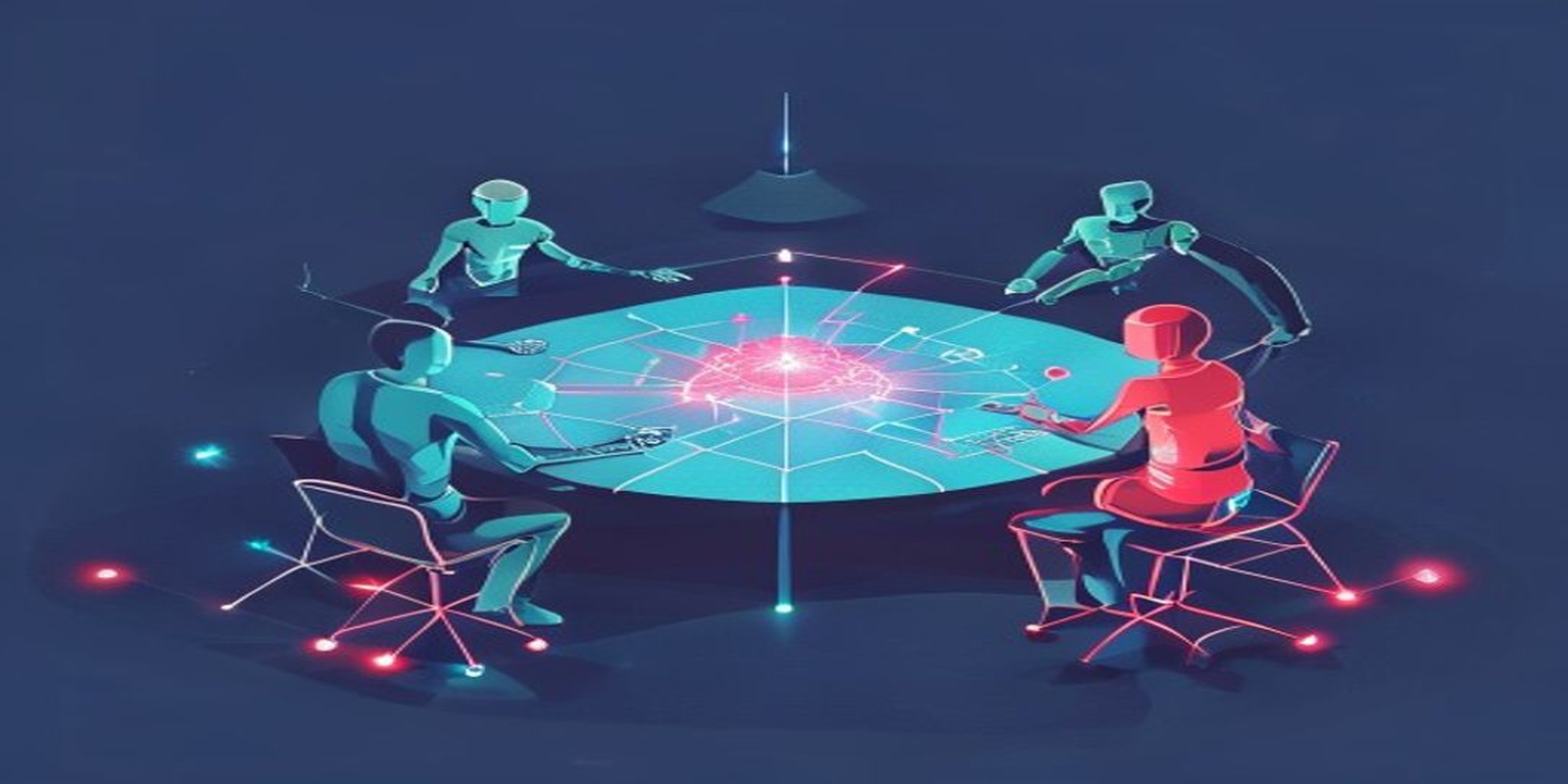
Humans and humanoid AI agents sit together around a round table, collaborating around a glowing, networked knowledge visualization.

My Teammate, the Agent

·8 mins
Hardly anyone still works without AI support — but the agents behind that support usually remain isolated islands, tied to one person and one project. AGENTS.md helps share project knowledge, but only shared skills, shared context, and tools like Buzz from Block turn a collection of individual agents into an actual team.
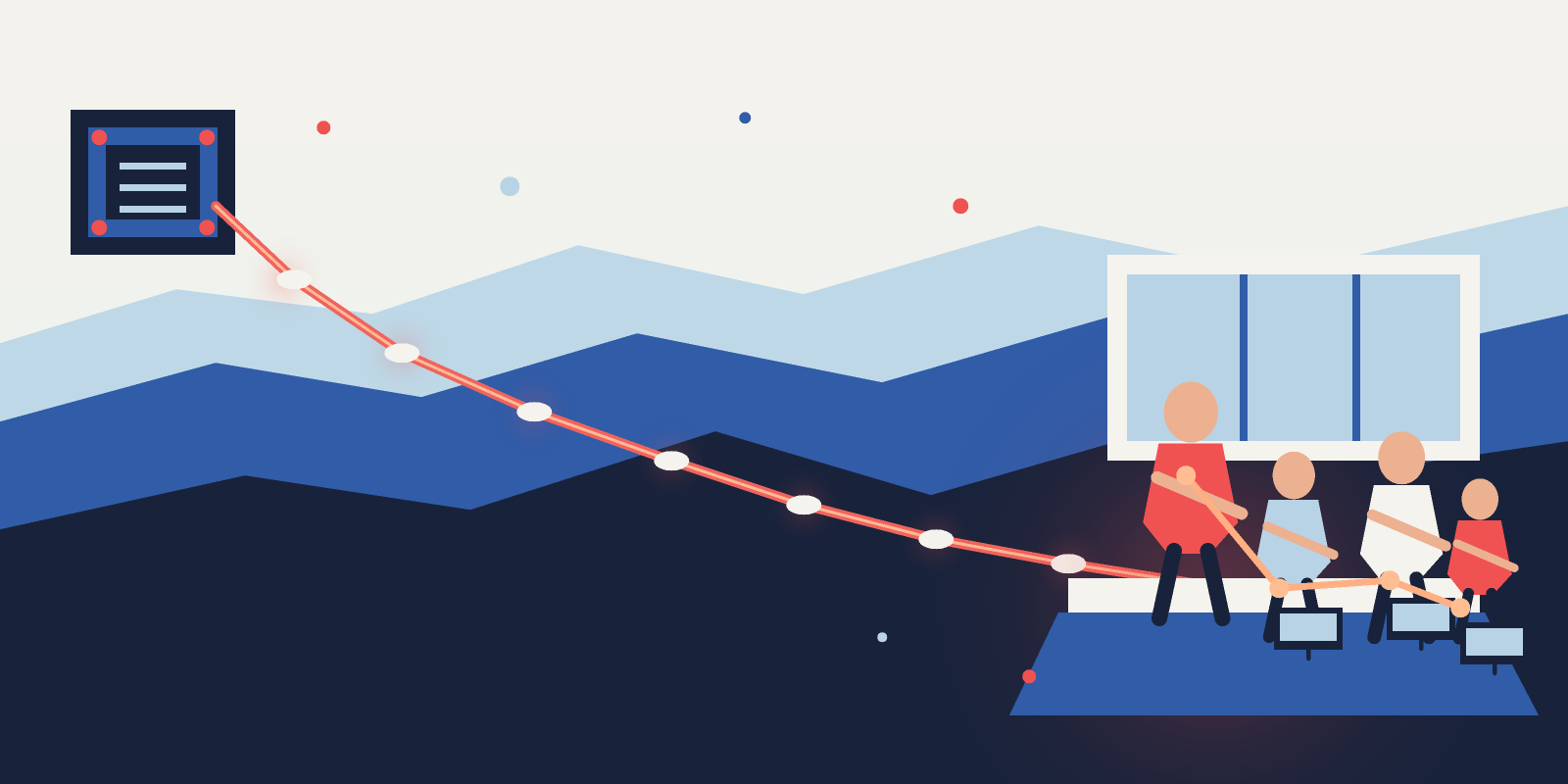
A glowing line runs from a document icon across a mountain silhouette to a small group of people in front of a window, pulling together on the same line.

The Last Mile Is Human

·5 mins
Fast internet, working Wi-Fi, and enough devices are not the last mile of educational infrastructure. Offerings only arrive at scale once they keep pace on features, onboard people instead of leaving them alone, and are carried by communities.
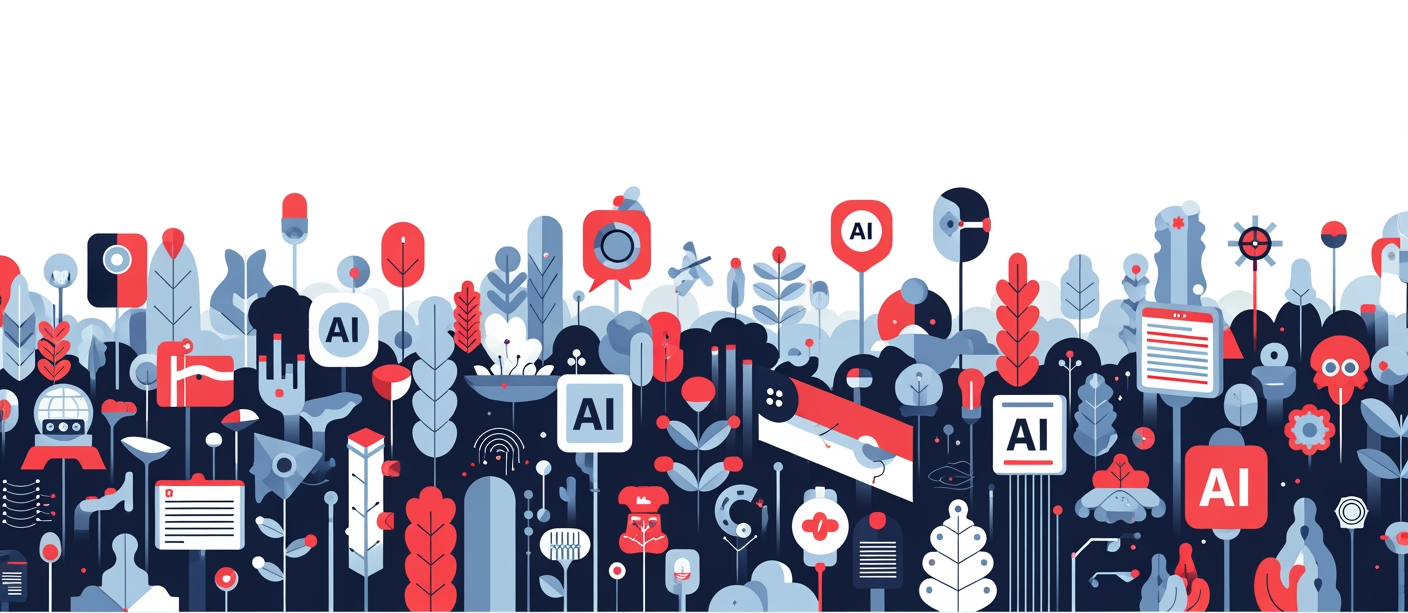
Abstract editorial illustration of a model jungle made of different AI components; a central routing node connects a request to matching processing paths.

Lost in the Model Jungle

·15 mins
Choosing an AI model determines quality, cost, latency, and resource use. Instead of leaving users alone with an ever-growing model menu, what’s needed is a lean, transparent routing layer: it classifies requests and, within clear rules, picks the smallest model that fits.
Abstract editorial illustration of an opened digital learning package on a light background, unfolding into blue and red modular layers, cards, and connection lines for semantic tasks, components, and optional tutor integrations.

Is H5P dead?

·14 mins
H5P was important for bringing interactivity into learning platforms. The next step could be a decoupled architecture of semantic task formats, AI-supported authoring and porting skills, renderer libraries, and optional AI/tutor integration.
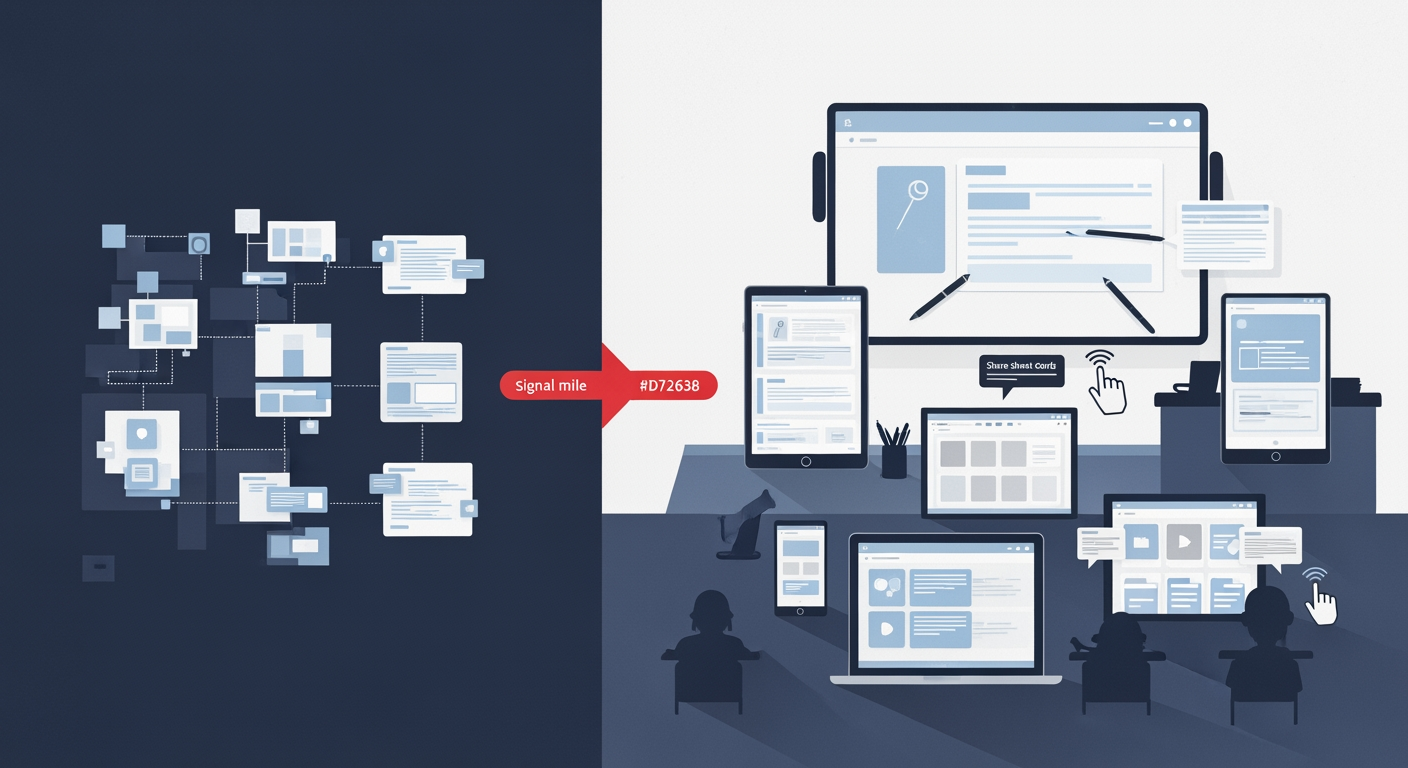
Abstract infographic about the technical last mile of digital educational media: platform services connect via a red transition axis with personal devices, file cards, pen and touch interaction, and a digital board in the classroom.

From the Platform into the Classroom

·11 mins
Educational media infrastructure is not decided only at the level of interfaces and platforms, but where teachers and learners actually work: on personal devices, on digital boards, and across the connected classroom.
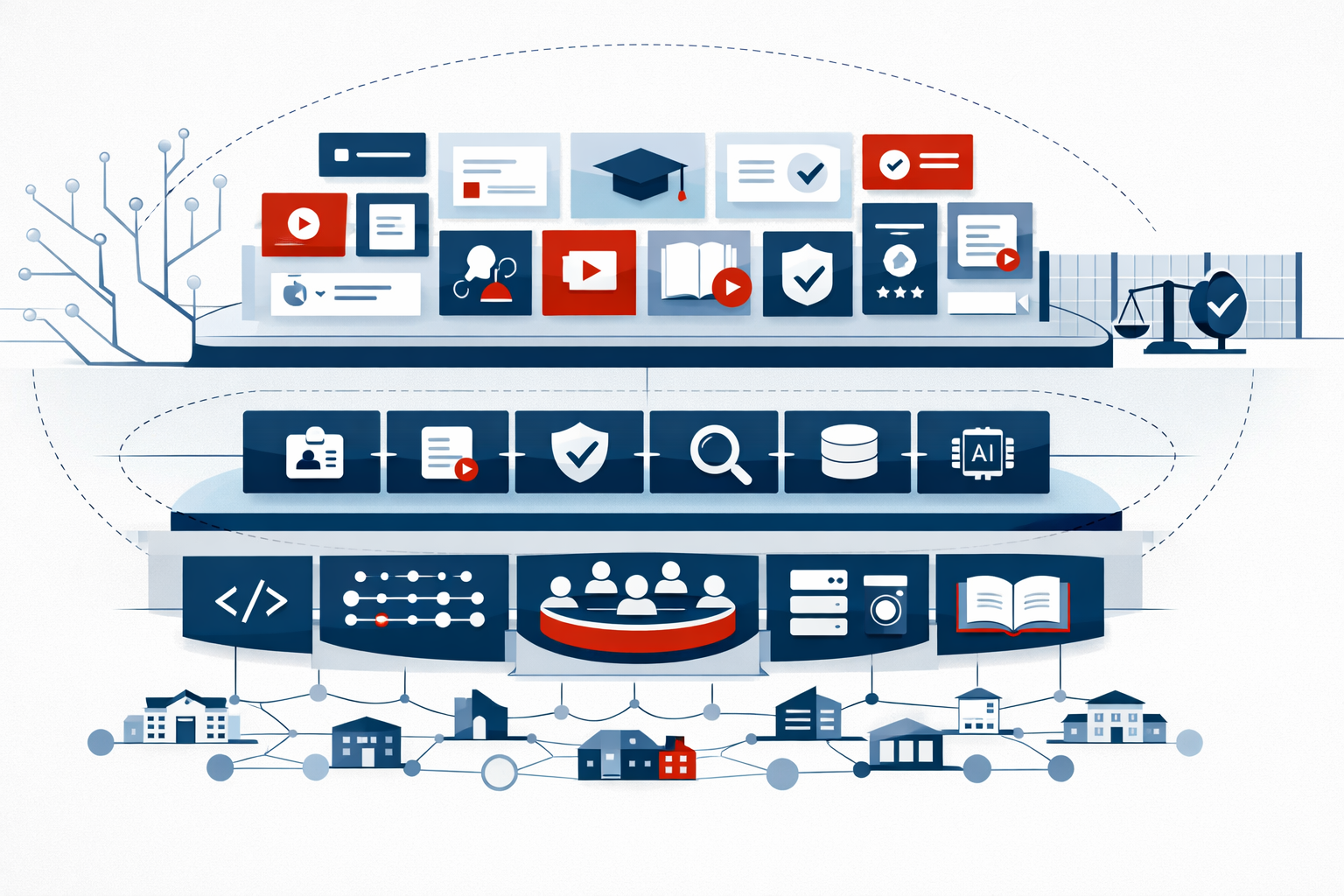
Abstract infographic of open educational infrastructure as a federated operating system: diverse educational applications build on shared system services, standards, governance, and reusable public foundations.

Openness Needs an Operating System

·11 mins
Open educational infrastructure does not emerge from the absence of rules, but from stable interfaces, transparent governance, public code, and reusable system services.